




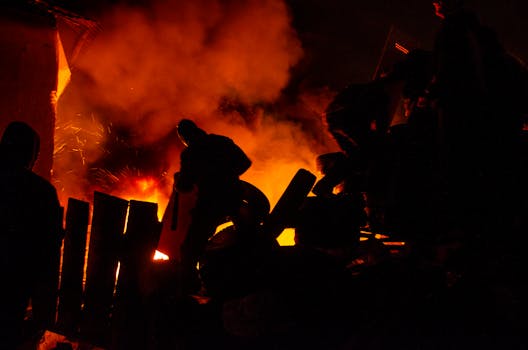
The mention of a “south Carolina judge house fire” conjures images of immediate tragedy, but the implications of such an event run far deeper than the visible destruction. It’s not just a house that’s burning; it’s a life, a career, and potentially a community’s trust that can be profoundly affected. While initial reports often focus on the blaze itself, understanding the multifaceted consequences requires a more nuanced look. What happens when the sanctuary of a judicial figure becomes the scene of such a devastating incident?
Beyond the Smoke: Initial Reactions and Public Perception
When news breaks about a south Carolina judge house fire, the public’s reaction can be a complex mix of sympathy, curiosity, and sometimes, even speculation. It’s natural to feel a pang of empathy for anyone losing their home, but in the case of a judge, the attention is amplified. This is due to the inherent public nature of their profession and the trust society places in them.
Sympathy vs. Scrutiny: The immediate outpouring of support is often tempered by an underlying, perhaps unconscious, sense of scrutiny. People might wonder if there are any unusual circumstances surrounding the fire, especially if the judge has been involved in high-profile or contentious cases.
Media Frenzy: High-profile individuals, including judges, often attract significant media attention. This can lead to intense speculation and reporting that might not always be entirely accurate or sensitive to the personal trauma involved.
Community Impact: A judge is a figure within their community. An event like a house fire can disrupt not only their personal life but also cast a shadow on the community they serve, raising questions about their well-being and ability to continue their duties.
Navigating the Legal Labyrinth: Unforeseen Judicial Ramifications
The most immediate and perhaps most critical implications of a south Carolina judge house fire revolve around the judge’s ability to perform their duties. The legal system, after all, relies on the consistent and dedicated service of its judiciary.
#### Continuity of Justice: Ensuring Court Operations Don’t Halt
A judge losing their home and potentially their personal records, files, and even electronic devices can create significant logistical challenges.
Case Management: How are ongoing cases managed when essential documents or the judge’s personal notes are lost? The legal system has protocols for this, often involving court clerks, opposing counsel, and administrative judges to ensure continuity.
Judicial Assignments: Depending on the severity of the disruption and the judge’s personal circumstances, temporary reassignment or the appointment of a substitute judge might be necessary. This can impact the pace of justice and introduce new dynamics into ongoing trials.
Personal Well-being and Duty: The emotional toll of such a disaster cannot be underestimated. Judges are human, and dealing with the aftermath of a house fire, including insurance claims, temporary housing, and the loss of personal belongings, can be incredibly taxing. The question then becomes how and when a judge can effectively return to their demanding professional responsibilities.
The Shadow of Investigation: When the Cause is Unclear
While many house fires are accidental, the involvement of a judge inevitably raises questions about the cause, especially if foul play is suspected. This brings a layer of complexity that goes beyond a typical residential fire.
#### Potential for Suspicion and Due Process
Arson Investigations: If an investigation reveals the fire was not accidental, the focus shifts dramatically. This could involve criminal proceedings against an arsonist, or in more complex scenarios, investigations into potential motives linked to the judge’s professional life.
Protecting the Judiciary: The integrity of the judicial system is paramount. Any threat or attack against a judge, whether through an intentional fire or other means, is taken extremely seriously by law enforcement and the courts. This can lead to enhanced security measures for judges and their families.
Avoiding Prejudgment: It’s crucial to remember that in any investigation, especially concerning a public official, due process must be observed. Presumptions of guilt or innocence should not be made until all facts are established and legal proceedings are concluded. The south Carolina judge house fire incident, whatever its cause, must be treated with the gravity and impartiality it deserves.
Rebuilding Lives and Restoring Confidence: The Road Ahead
The aftermath of a significant event like a south Carolina judge house fire is a long and arduous process, both personally and professionally.
#### Personal Recovery and Professional Resilience
Emotional and Psychological Support: The trauma of losing one’s home is immense. Judges, like anyone else, require emotional and psychological support to navigate the recovery process. This is often a private matter, but its impact on professional performance is undeniable.
Rebuilding Tangible Assets: The physical act of rebuilding a home is a monumental task. This includes dealing with insurance companies, contractors, and the sheer emotional labor of recreating a sense of normalcy and security.
Restoring Public Trust: For a judge, maintaining public trust is a cornerstone of their role. While an accidental fire wouldn’t typically erode this, any perceived link between the fire and their professional conduct, even if unfounded, can create a ripple effect. Transparency and a clear demonstration of their commitment to justice are vital in rebuilding any shaken confidence.
Beyond the Headlines: What Can We Learn?
The implications of a south Carolina judge house fire serve as a stark reminder of the human element within our institutions. While we expect our judges to be paragons of justice, they are also individuals facing life’s unpredictable challenges. It underscores the importance of:
Empathy and Discretion: Approaching such events with empathy for the individual and discretion regarding personal details.
Robust Support Systems: Ensuring that judges, like all public servants, have access to adequate support systems to manage personal crises without compromising their professional responsibilities.
* Understanding the Interconnectedness: Recognizing that the personal lives of public officials are often intertwined with their public roles, and that events impacting one can inevitably influence the other.
Final Thoughts: A Call for Balanced Perspective
The news of a south Carolina judge house fire is more than just a local incident; it’s a narrative that touches upon legal continuity, public trust, and individual resilience. It challenges us to look beyond the immediate destruction and consider the intricate web of consequences that unfold in its wake. When we hear about such events, how can we cultivate a more empathetic and informed public discourse that respects both the individual’s plight and the integrity of the judicial system?




More Stories
When Asbestos Illness Strikes in Minnesota: Finding Your Advocate
Beyond the Band-Aid: Unpacking the True Value of a Work Comp Lawyer
Queens Roads, Unforeseen Rumbles: Why You Need a Local Champion After a Fender Bender